

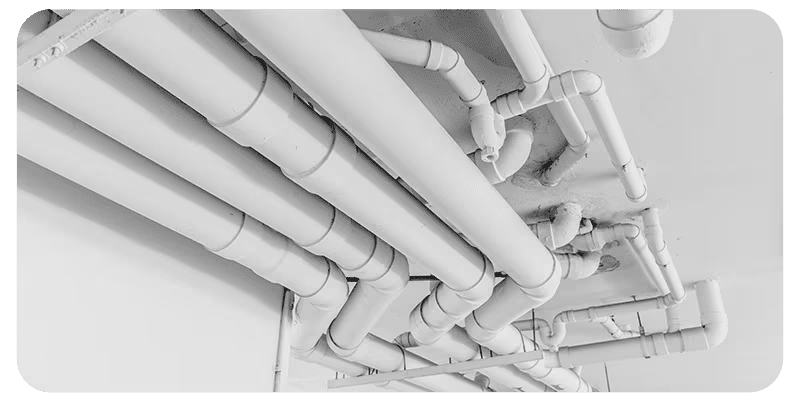
A shiny green checkmark and the word “flushable” printed boldly on a plastic package create a powerful illusion. For millions of homeowners, that label serves as a guarantee that moistened wipes disappear down the drain just as harmlessly as standard toilet paper. Even homeowners living in newer houses equipped with smooth, modern Schedule 40 PVC drainpipes often assume their plumbing system is immune to the backup horror stories they hear from neighbors in older, cast-iron-piped homes.
Plumbers across the country see a very different reality every single week. Smooth plastic pipes do not stop wet wipes from forming dense, rope-like blockages in residential sewer laterals. Understanding the gap between packaging claims and actual fluid dynamics explains why these products regularly trigger four-figure emergency plumbing bills, even in brand-new construction.
The Engineering Gap Between Toilet Paper and Wet Wipes
To understand why modern pipes still clog, it helps to look at what happens inside the bowl the moment water hits the paper. Traditional toilet paper is manufactured from short wood pulp fibers held together by weak, water-soluble bonds. Within seconds of agitation in water, those bonds release, allowing the sheet to shred into tiny, suspended flakes that travel effortlessly through narrow traps and broad sewer mains alike.
Flushable wipes are built to survive an entirely different environment. Because they sit soaked in liquid preservatives inside a sealed pouch for months before you ever pull one out, they are engineered specifically not to dissolve in water. Manufacturers achieve this wet strength by weaving longer plant-based fibers with synthetic polymers, rayon, or chemical binders.
When you flush a wipe, it enters your drain line as an intact, flexible sheet roughly the size of a washcloth. Even if a wipe eventually frays after hours of heavy mechanical churning, it rarely spends more than thirty to sixty seconds inside your home’s plumbing before reaching the municipal sewer or septic tank. During that brief trip, it retains almost 100 percent of its tensile strength.
Why Modern PVC Pipes Are Not Immune to Blockages
Homeowners frequently assume that rough, corroded cast iron or root-invaded clay pipes are the only systems vulnerable to wipe clogs. While jagged interior surfaces certainly snag debris faster, smooth PVC plumbing relies on precise gravity-fed water velocity rather than pipe slickness alone to clear solids.
Low-Flow Toilets and Reduced Carrying Water
Modern residential plumbing codes mandate high-efficiency toilets that use just 1.28 gallons per flush, compared to the 3.5 or 5 gallons common decades ago. That limited surge of water is calibrated to carry human waste and rapidly disintegrating toilet paper down a precisely sloped drain line.
A full-sized wet wipe acts like a flat sail or a parachute inside a three-inch or four-inch PVC pipe. Because the wipe does not break apart, the small volume of water from a low-flow flush often washes right over or around the sheet, leaving it stranded midway down the horizontal lateral line. Once the water drains away, the damp wipe clings flat against the bottom wall of the PVC pipe.
Pipe Joints, Sweeps, and Building Traps
Even the cleanest PVC installation isn’t a single seamless tube from your bathroom to the street. Your drain system includes sanitary tees, 45-degree sweeps, cleanout fittings, and transition couplings where the home’s plastic piping connects to the municipal tap. Each glued joint leaves a microscopic lip or slight change in direction.
When a stranded wipe gets nudged forward by the next shower or washing machine cycle, its leading edge catches on a fitting seam or folds over itself at a bend. Instead of gliding past, the wipe anchors itself to the bottom of the pipe, acting as a net for everything that follows.
How a Single Wipe Snowballs Into a Main-Line Emergency
A single wipe rarely blocks a four-inch main sewer line on its own. The real damage happens through gradual accumulation over weeks or months. Once one wipe stalls inside the main drain, every subsequent flush sends more wipes, hair, cooking grease, and soap scum directly into that snag.
Because wipes are flexible and fibrous, moving water twists them together into thick, braided cords that plumbers routinely pull out on drain augers. Unlike organic waste or tissue paper, which can be broken up with standard water pressure, a matted mass of wipes absorbs impacts and stretches rather than snapping.
By the time you notice slow-draining downstairs showers or gurgling toilets, the blockage has usually compacted against a main-line transition or backwater valve. At that stage, basic plungers and enzyme drain cleaners do nothing. Clearing the line requires a technician with a heavy-duty sectional cable machine or a high-pressure hydro-jetter, both of which carry substantial service fees—especially if the backup happens on a weekend evening.
What “Flushable” Actually Means on Product Packaging
If these products cause so much documented damage, homeowners naturally wonder how companies are legally allowed to print “flushable” on the front of the box. The short answer is that there is no federal law or government agency regulating the word flushable in the United States.
Instead, the nonwoven fabrics industry relies on voluntary testing guidelines developed by trade associations. Under these internal tests, a wipe only needs to pass through a pristine laboratory test rig under ideal water-flow conditions—without grease, hair, pipe joints, or low-flow toilet constraints—to earn the label.
Wastewater utilities and municipal water authorities follow completely different engineering standards, which require a product to disperse rapidly in gentle water movement and contain zero plastic polymers. Almost no commercial wet wipe on grocery store shelves meets municipal wastewater dispersibility standards, regardless of what the front label promises.
Practical Ways to Protect Your Plumbing Without Giving Up Comfort
You do not have to sacrifice personal hygiene or convenience to keep your main sewer line clear. Making a few straightforward adjustments in the bathroom eliminates the risk of a wipe-induced backup altogether.
Keep a Lidded Trash Can Next to Every Toilet The simplest solution is also the most reliable: treat every wipe—whether labeled flushable, baby, facial, or disinfecting—as solid household trash. Placing a small, step-operated trash can with a tight-fitting lid and a disposable liner right beside the toilet makes tossing wipes effortless and odor-free.
Switch to a Bidet Attachment If you prefer the thorough clean that wet wipes provide, installing a simple non-electric bidet seat or handheld sprayer is a smart long-term investment. A quality bidet attachment costs far less than a single plumber visit, uses fresh tap water, and leaves you needing only a few squares of fast-dissolving toilet paper to pat dry.
Set Clear Rules for Kids and Guests Most main-line wipe clogs happen silently when children or overnight guests assume anything sitting on the back of the toilet tank is meant to be flushed. Storing wipe packages inside a vanity cabinet rather than on top of the tank—and letting family members know that only human waste and toilet paper belong in the bowl—prevents accidental flushes before they start.
Modern PVC plumbing gives your home decades of corrosion-free reliability, provided it only handles the materials it was engineered to move. Keeping wet wipes out of the bowl and inside the trash can is one of the easiest habits you can adopt to protect your home from messy, avoidable sewer backups.