

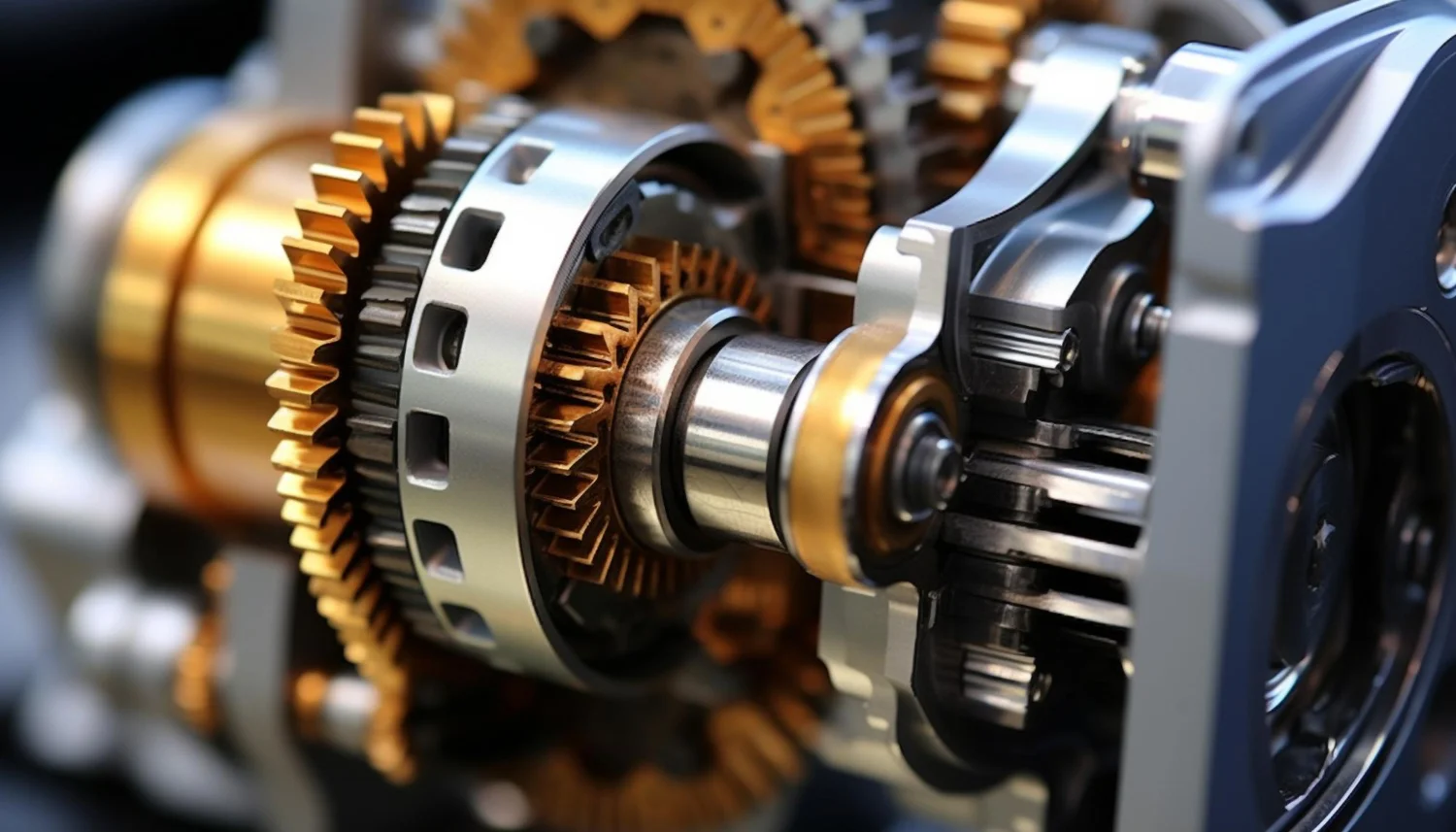
In every industrial and mechanical system, the seamless transfer of power is vital for maintaining operational efficiency and reliability. Power transmission flexible couplings play a crucial role in ensuring that mechanical energy moves smoothly from one component to another, even when slight misalignments or vibrations occur. These couplings are not only fundamental in minimizing mechanical stress but also in enhancing the overall lifespan of connected equipment. Their importance in engineering applications continues to grow as industries demand higher performance, precision, and durability in machinery.
Power transmission flexible couplings are engineered to absorb shock loads, reduce wear, and compensate for various types of misalignment between rotating shafts. Whether used in automotive systems, manufacturing plants, or heavy-duty industrial machines, they form a critical part of any power transmission system. Understanding their role allows engineers and technicians to optimize performance, improve system safety, and ensure consistent productivity across a wide range of mechanical environments.
The Function and Design of Power Transmission Flexible Couplings
At the heart of every mechanical system that transmits power lies a coupling that connects two rotating shafts. In an ideal scenario, these shafts are perfectly aligned, allowing smooth and efficient torque transfer. However, real-world applications rarely operate under perfect conditions. Factors such as thermal expansion, manufacturing tolerances, and external forces cause shafts to shift slightly, resulting in angular, parallel, or axial misalignments. Power transmission flexible couplings are specifically designed to accommodate these deviations without compromising performance.
Unlike rigid couplings that demand precise alignment, flexible couplings introduce elasticity into the system. They can absorb vibration, cushion shock loads, and adjust for small misalignments, thereby reducing stress on bearings, gears, and other components. Their flexibility comes from the materials and mechanisms used in their construction, which may include elastomeric elements, metallic membranes, or grid designs. Each type of coupling is selected based on the application’s torque requirements, speed, and environmental conditions.
In addition to flexibility, these couplings also enhance efficiency by maintaining consistent power flow. By minimizing backlash and vibration, they reduce energy loss, ensuring that most of the input power is transmitted to the driven machinery. This reliability is critical in systems where downtime and maintenance costs can significantly affect productivity. Through innovative designs and materials, power transmission flexible couplings serve as the silent protectors of mechanical performance.
The Role of Power Transmission Flexible Couplings in Industrial Applications
Industrial operations rely on machinery that operates continuously under heavy loads and demanding conditions. In such environments, the failure of even a small mechanical component can lead to costly downtime. Power transmission flexible couplings serve as an essential safeguard in preventing mechanical issues caused by misalignment, vibration, and excessive torque.
In manufacturing plants, flexible couplings are used in pumps, compressors, conveyors, and motor-driven systems. These components experience frequent start-stop cycles and fluctuating loads that can cause mechanical strain. The coupling’s ability to dampen vibration and absorb impact ensures smoother operation and extends the lifespan of connected equipment. By mitigating the transmission of shock and torsional forces, they protect sensitive components from damage, reducing the frequency of repairs and replacements.
In power generation, flexible couplings are integral to turbine systems, generators, and gearboxes. The coupling ensures precise torque transfer while compensating for thermal expansion and slight misalignments that naturally occur during operation. Similarly, in automotive and aerospace engineering, they contribute to drivetrain efficiency, ensuring optimal energy transfer from engines to output systems. Their versatility makes them indispensable in any sector that relies on the reliable transmission of mechanical energy.
As technology advances, modern industries are increasingly integrating automation and high-speed systems, which place even greater demands on mechanical precision. Power transmission flexible couplings are evolving to meet these challenges. Advanced materials and innovative designs now offer enhanced torque capacity, reduced weight, and improved resistance to temperature and corrosion. Engineers continue to refine coupling performance to meet the growing needs of precision-driven industries where efficiency and reliability cannot be compromised.
Engineering Considerations for Selecting the Right Flexible Coupling
Selecting the appropriate power transmission flexible couplings for a system requires careful consideration of multiple engineering factors. Each application has its unique set of demands, and the wrong choice can lead to inefficiency, premature wear, or even equipment failure. Engineers must evaluate torque requirements, operating speed, and the degree of misalignment expected between connected shafts.
Temperature and environmental conditions also play a crucial role. Some couplings are designed to withstand extreme heat, moisture, or corrosive atmospheres, making them ideal for chemical plants or outdoor applications. Others prioritize vibration damping and precision alignment for use in high-speed machinery. The material composition—whether metallic, elastomeric, or composite—determines the coupling’s flexibility, strength, and resistance to fatigue.
Maintenance and installation requirements further influence selection. Power transmission flexible couplings with easy assembly features and low maintenance needs help reduce downtime and operating costs. Some designs are maintenance-free, using self-lubricating materials that extend service life and improve reliability. By understanding the mechanical and environmental conditions, engineers can ensure the chosen coupling performs effectively throughout its operational life.
A properly selected and maintained coupling not only improves performance but also contributes to safety. Misaligned or overloaded systems can generate excessive vibration and heat, leading to mechanical failure or hazardous conditions. Flexible couplings minimize these risks, promoting smooth and stable operation. Their ability to maintain performance even under fluctuating conditions underscores their value in every engineered system that depends on consistent power transfer.
The Future of Power Transmission Flexible Couplings in Engineering
The continued evolution of industrial technology is driving innovation in coupling design. As automation, robotics, and renewable energy systems become more advanced, the need for precision, efficiency, and durability grows stronger. Engineers are developing new power transmission flexible couplings that combine lightweight construction with high torque capabilities, allowing machines to operate at higher speeds without compromising safety or performance.
Smart materials and digital monitoring are also shaping the future of coupling technology. Some advanced systems now include sensors that track vibration, temperature, and torque levels in real time. This data allows for predictive maintenance, helping operators address issues before they lead to downtime. These innovations are transforming power transmission flexible couplings from passive mechanical components into intelligent, integrated parts of modern engineering systems.
In the pursuit of sustainability, manufacturers are also focusing on producing couplings with longer lifespans and recyclable materials. Reducing the need for frequent replacements not only lowers operational costs but also minimizes environmental impact. As industries adopt cleaner energy sources and greener technologies, the role of durable and efficient couplings becomes even more significant in maintaining energy-efficient systems.