

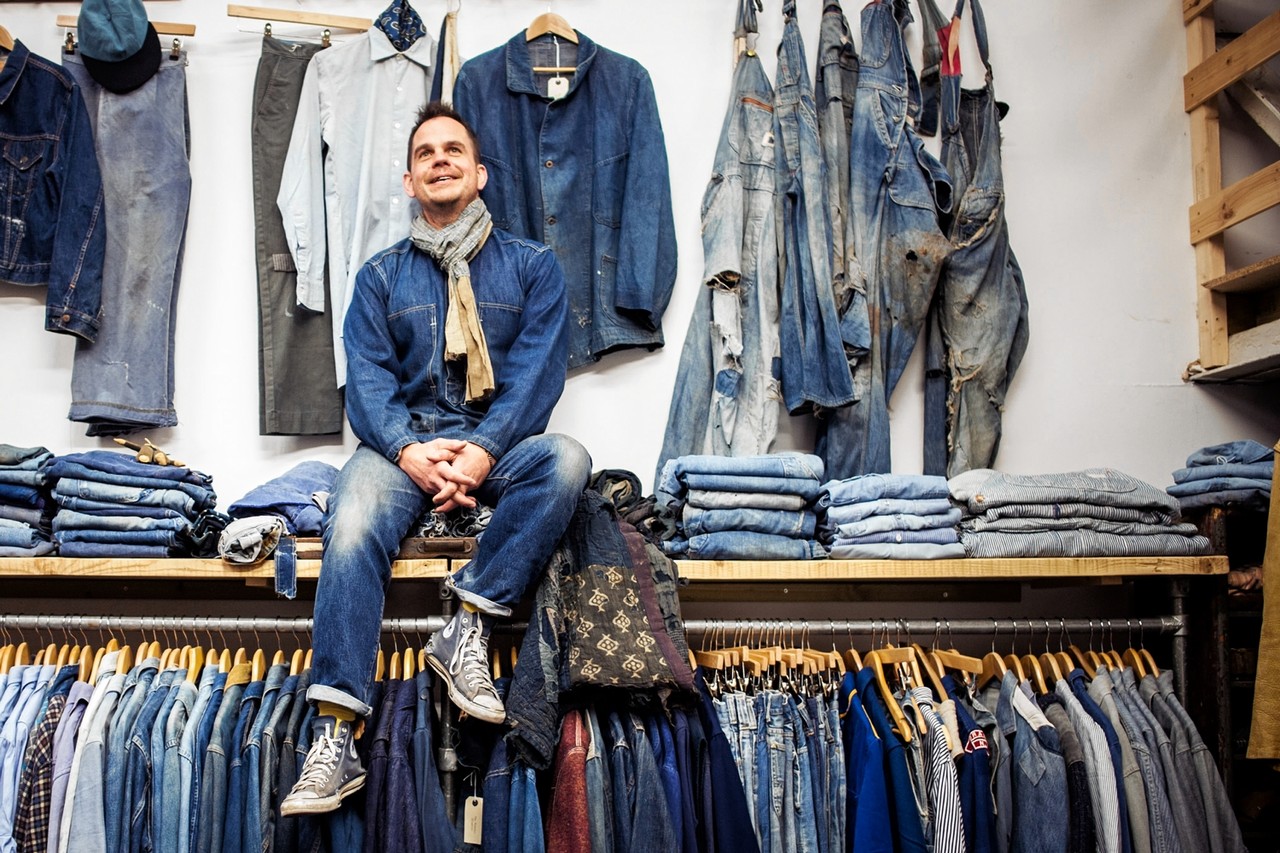
Finding a great pair of vintage jeans is a rite of passage for style enthusiasts. Unlike modern denim made with synthetic stretch blends like elastane, true vintage jeans are crafted from 100 percent cotton heavyweight denim. This construction molds to your body over time, developing unique whiskering, fading, and character that mass-produced clothing simply cannot replicate.
However, navigating flea markets, thrift stores, and curated vintage boutiques can quickly become overwhelming. Sizing standards have shifted dramatically over the decades, fabrics react differently to decades of washing, and authentic historical details require a trained eye. Learning how to spot genuine vintage denim, calculate your true size, and evaluate garment condition will help you land the ultimate pair.
Why Vintage Denim Outperforms Modern Alternatives
To understand the enduring appeal of vintage jeans, you must look closely at how garment manufacturing has changed over the last several decades. Prior to the mid-1990s, the vast majority of jeans were produced using rigid, heavy-ounce cotton denim designed for durability and workwear utility.
-
100 Percent Cotton Construction: Older denim contains no stretch fibers. While modern stretch denim loses elasticity and sags over time, 100 percent cotton retains its structural integrity and softens naturally with wear.
-
Selvedge Edge Craftsmanship: Older jeans were frequently woven on traditional shuttle looms. This process creates clean, self-finished edges along the fabric border that prevent fraying and add architectural weight to the leg.
-
Natural Fading and Patina: Chemical washes used in contemporary fast fashion try to mimic decades of natural wear. Authentic vintage denim features genuine wear patterns shaped by the lifestyle, movements, and body of its original owner.
-
Environmental Sustainability: Choosing pre-owned denim keeps high-quality garments in circulation, eliminating the massive water and chemical footprint associated with manufacturing brand-new jeans.
Decoding Vintage Sizing and Fit Mechanics
The single biggest obstacle when shopping for vintage jeans is tag sizing. Modern fashion brands utilize vanity sizing, meaning a tag labeled as a size 28 might actually measure 30 or 31 inches around the waistband. Conversely, vintage garments were tagged based on actual rigid fabric measurements before shrinkage.
Furthermore, decades of washing and drying cause cotton fibers to contract. A pair of vintage jeans marked as a 32-inch waist on the back paper patch may have shrunk down to a 29 or 30-inch actual measurement over forty years of laundering.
How to Measure Vintage Jeans Accurately
When shopping in person, ignore the printed size tag entirely and carry a flexible measuring tape. When shopping online, always request flat-lay measurements from the seller rather than relying on tag numbers. Lay the jeans completely flat on a table and record four key metrics:
-
Waist: Button the jeans, lay the waistband flat with the front and back aligned, measure straight across the top edge, and double that figure.
-
Rise: Measure from the crotch cross-seam straight up to the top of the front waistband. Vintage jeans feature significantly higher rises, usually between 11 and 13 inches, which alters where the waist sits on your torso.
-
Hips: Measure flat across the widest point of the hip area, typically located right at the base of the zipper fly, and double that number.
-
Inseam: Measure along the inner leg seam starting from the center crotch point down to the bottom leg opening hem.
Always compare these flat measurements against a pair of non-stretch jeans you already own that fits you comfortably around the waist and hips.
Key Signs of Authentic Vintage Construction
Identifying the era of a pair of jeans adds to the thrill of the search while helping you determine fair market value. Small production details offer clear clues about the age of classic American denim brands.
The Red Tab and Capital Letters
For brands like Levi Strauss, the iconic red pocket tab provides instant historical context. Tabs featuring a capital letter E in the word Levi’s denote pairs produced prior to 1971. These Big E pairs are highly prized by collectors due to their premium denim quality and historical significance.
Care Tags and Care Instructions
Care tags were not legally mandated on American garments until 1972. If a pair of jeans lacks care instructions entirely, or features small printed care text directly on the interior pocket bag fabric, it likely dates back to the early 1970s or earlier. Paper care tags stitched into interior seams became standard practice throughout the 1980s and 1990s.
Pocket Stitching and Rivets
Examine the hardware and construction details. Single-needle stitching along the top of the back pockets often points to older production dates before high-speed double-needle machines became industry standard. Additionally, copper rivets with flattened heads or hidden rivets on back pockets are hallmarks of vintage craftsmanship.
How to Inspect Garment Condition and Repair Potential
Not every flaw on a pair of old jeans is a dealbreaker. In fact, tasteful distressing and hand-stitched repairs often add character. However, structural damage can turn a great aesthetic find into an unwearable garment.
-
Check the Crotch Area: Hold the jeans up to a bright light and look closely at the crotch seam. Thin, threadbare fabric in this high-friction zone signals an impending blowout that requires reinforcing with interior denim patches.
-
Inspect the Back Pocket Corners: Stress points at the upper corners of back pockets frequently tear over time. Ensure the underlying denim is intact enough to hold stitching.
-
Examine the Zipper and Buttons: Verify that metal zippers slide smoothly and all button studs are firmly anchored through the fabric waist band without rusting or tearing loose.
-
Assess the Hemline: Look at the bottom cuffs. Original chain-stitched hems pull the fabric into gentle, wavy diagonal fades called roping. Re-hemmed jeans often feature flat lock-stitching that disrupts the original proportion.
Proven Strategies for Finding Great Pairs
Building a solid collection of vintage jeans requires patience and exploring multiple shopping venues. Each location offers different advantages regarding price point and selection curation.
Thrift Stores and Estate Sales
Thrift shops and local estate sales represent the most affordable way to source vintage denim. Prices are low because items are uncurated. Finding a gem requires sifting through hundreds of modern garments, but the financial payoff is unbeatable.
Flea Markets and Vintage Markets
Outdoor markets feature specialized vendors who pre-sort and curate vintage clothing. While prices are higher than basic thrift stores, vendors bring vast selections of vetted pieces to one central location, and prices are often negotiable.
Specialty Online Marketplaces
E-commerce resale platforms allow you to search for precise waist sizes, rise preferences, and brand names. Always filter your searches to include precise flat measurements and carefully review high-resolution photos of care tags and seam condition before purchasing.
Frequently Asked Questions
Can tailor shops stretch or shrink rigid vintage denim to fit better?
Tailors can easily take in the waist or hem the length of rigid cotton jeans without compromising the silhouette. However, making vintage jeans significantly larger is difficult because there is rarely enough excess fabric in the seam allowances to let them out. While cotton can be wet-stretched an inch in the waist through wear, it will snap back to its baseline size upon washing.
How often should you wash 100 percent cotton vintage jeans?
Vintage jeans do not need to be washed after every wear. Washing too frequently strips natural indigo dye, fades contrast lines, and weakens older cotton fibers. Air them out between uses and spot-clean minor stains with water and mild detergent. When a full wash is necessary, turn them inside out and wash on a gentle cold cycle, then hang them to air dry.
What is the difference between shrink-to-fit and pre-shrunk vintage denim?
Shrink-to-fit denim is made from raw, unsanforized fabric that shrinks roughly ten percent in overall size during its first wash cycle. Pre-shrunk or sanforized denim undergoes a steam process during manufacturing to stabilize the fabric, ensuring that the measurements on the tag remain largely consistent after laundering.
Why do some vintage jeans twist along the leg seams?
Leg twist occurs when the diagonal direction of the denim weave, known as the twill direction, pulls the fabric as it contracts during washing. As the cotton fibers shrink, the side seam naturally rotates toward the front of the leg. This characteristic is a normal hallmark of classic vintage shuttle-loom construction rather than a manufacturing defect.
How can you tell if vintage jeans have been altered by a previous owner?
Check the color and weight of the thread along the side seams and hem line. Original factory production uses consistent, heavy-duty gold or yellow thread. Differing thread colors, uneven stitch patterns, or raw cut edges inside the leg seams indicate that a previous owner tapered or hemmed the garment at home.
Are orange tab jeans as valuable as red tab jeans?
Orange tab items were originally introduced by Levi’s in the late 1960s as a budget-friendly line featuring simpler stitching and streamlined designs. While Big E red tab pairs command higher price tags among serious collectors, orange tab jeans from the 1970s and 1980s offer fantastic high-waisted fits, durable 100 percent cotton fabric, and great value for everyday wear.
Is it safe to put vintage cotton denim in a clothes dryer?
High heat from a clothes dryer damages aged cotton fibers, causes unpredictable shrinkage, and weakens vintage stitching over time. To preserve the lifespan, color depth, and fit of your vintage denim, always line-dry or lay the jeans flat away from direct sunlight after washing.