

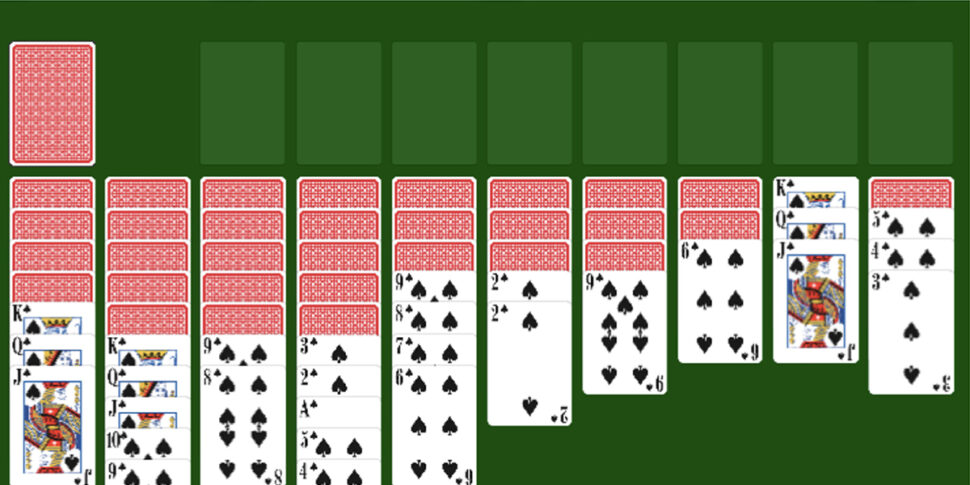
The digital age has brought with it a surge of productivity tools, entertainment platforms, and ways to fill idle time. Among the many classic games that have transitioned smoothly into the digital world, Spider Solitaire continues to hold its ground. More than just a pastime, those who regularly play spider solitaire often discover that they’re cultivating traits that serve them well beyond the game screen. Patience, strategic thinking, and planning are naturally strengthened through consistent engagement with this quietly challenging card game.
The Game Mechanics That Build Cognitive Endurance
Unlike the standard version of Solitaire, Spider Solitaire requires players to manage not one, but multiple decks of cards. This makes every move less predictable and more calculated. You’re not just reacting to a visible set of options you’re forecasting what could happen two or three steps ahead. To successfully play spider solitaire, a person needs to balance short-term action with long-term benefit. That type of thinking can’t be rushed, and it doesn’t come from luck. It comes from staying with a problem, evaluating alternatives, and calmly managing the outcome of each decision.
Every hand dealt in Spider Solitaire is essentially a mini-puzzle. The layout can look deceptively simple at first glance, but hidden beneath each stack is a series of cascading decisions. The more you play, the better you become at recognizing patterns, avoiding impulsive moves, and adapting when the original strategy fails. The challenge keeps your mind engaged and teaches you that patience is not about waiting it’s about maintaining composure while actively working through complexity.
Training for Strategy Through a Casual Interface
Many people who play spider solitaire do so in quiet moments on a lunch break, while waiting for a download, or to reset after a meeting. Its low-pressure interface creates a space where strategic experimentation feels fun rather than stressful. You can try a new approach, fail, restart, and try again all within the confines of a silent screen. There are no opponents, no time pressure, and no scoreboard demanding instant success.
This calm environment is what makes Spider Solitaire a surprisingly good training ground for planning. When you play spider solitaire regularly, you start to internalize a kind of mental checklist. You learn when to delay a move, when to take a risk, and when to reverse your course. You may not be using those exact thoughts at work or in personal life, but the mental habits remain. You begin to apply more foresight to other decisions, trusting that a patient, methodical approach can work out better than reacting too quickly.
The most rewarding part is that you don’t need to be naturally strategic to get started. The game teaches you gradually. Mistakes offer feedback, and the pace encourages self-correction rather than frustration. Even in failure, there’s something to gain. That’s part of what makes it such a valuable tool for mental training disguised as relaxation.
A Quiet Exercise in Emotional Control
When someone learns to play spider solitaire well, they’re also building emotional regulation skills. Every failed game tests your ability to keep calm and try again. Every win rewards your persistence without offering any physical prize. The reinforcement comes from within, which strengthens your internal motivation.
Emotions play a huge role in how well people make decisions, especially under pressure. While Spider Solitaire is not outwardly high-stakes, it mirrors the psychological arc of many real-life situations. You begin with a vague idea of how things could go, you run into obstacles, you need to reassess, and you either resolve the situation or start fresh. How you handle that process whether with impatience, resilience, or quiet determination translates directly into your emotional habits outside the game.
Even if the stakes are imaginary, the emotional rehearsal is real. When you play spider solitaire and refuse to give up after a long, challenging session, you’re practicing self-discipline. When you choose to walk away from a frustrating round and return later, you’re honoring your limits. These are not just gaming behaviors they are life behaviors shaped gently through repetition.
Building Patience in a Fast-Paced World
The nature of Spider Solitaire directly opposes the instant gratification loop of many other digital activities. There’s no shortcut to victory, no way to game the system, and no flashy reward system that reinforces shallow play. To play spider solitaire with any consistency, you must invest time and attention. There is a rhythm to the game that invites you to slow down, pause before acting, and accept uncertainty.
In a world dominated by quick swipes, fast scrolling, and constant alerts, taking ten minutes to focus on a slow-building card game becomes a quiet act of resistance. You allow yourself to be in one place, with one objective, and no pressure to impress or perform. That space becomes a container for reflection, calculation, and quiet growth.
It’s common to underestimate how powerful such a small habit can be. But when a person commits to slow play regularly, even for just a few minutes each day, the ripple effect spreads. Tasks that used to feel urgent may become more manageable. Conversations might unfold with more care. The impulse to rush may ease slightly. These subtle gains are the result of practicing patience in a contained and focused environment.
Strategic Play as a Lifelong Skill
People from all age groups and walks of life have found value in Spider Solitaire, not just as a nostalgic card game but as a reliable companion for mental stimulation. Students sharpen their analytical skills, professionals use it to clear their minds between demanding tasks, and retirees enjoy it as a tool to stay mentally agile. There’s no single audience, and there’s no expiration date on its benefits.
What makes it especially impactful is how naturally it fits into daily life. You don’t need a console, expensive gear, or a competitive spirit. You just need a moment and the willingness to engage. Those who play spider solitaire consistently notice shifts in how they approach challenges not just within the game but beyond it.
It’s not about becoming a master player. It’s about what the process fosters: mental clarity, better judgment, and emotional resilience. And for a game that fits in the palm of your hand, that’s an impressive return.