

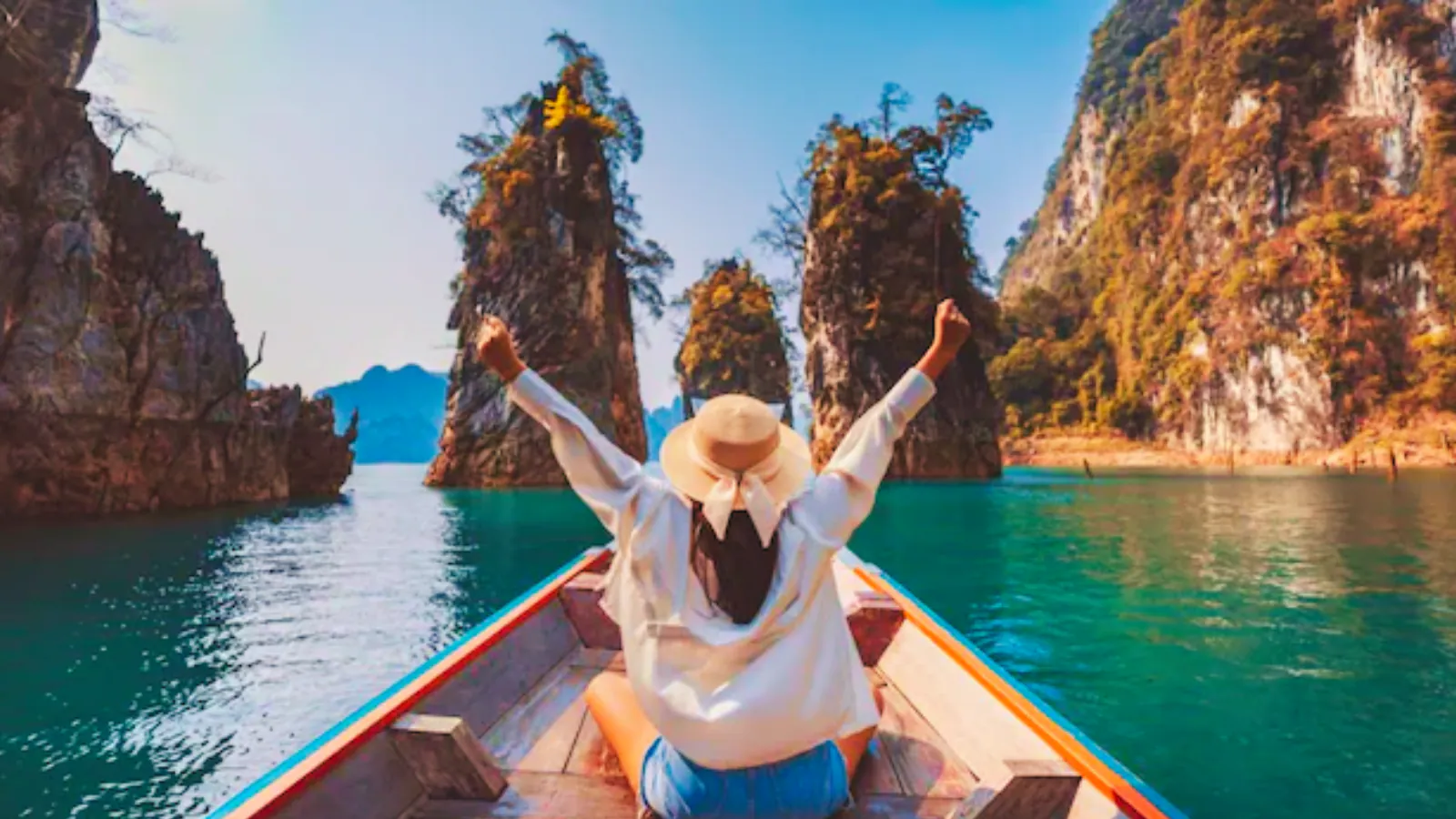
Understanding the Deeper Meaning of Travel
Travel shapes the way people think, connect, and grow. It opens the door to new perspectives, challenges familiar routines, and brings experiences that stay long after the journey ends. Many people seek Travel not only for relaxation but also for expansion of mindset. Whether the destination is across the world or a nearby city, the act of stepping into a different environment forces the mind to adapt, observe, and learn. Using Travel intentionally in life can help build confidence, emotional resilience, and cultural awareness.
How Travel Enhances Personal Growth
Building Emotional Strength
Travel often introduces uncertainty. New transportation systems, unfamiliar languages, and cultural norms test patience and adaptability. These moments help shape emotional maturity and provide insights into how one responds to challenges.
- Overcoming unexpected itinerary changes teaches calm problem-solving
- Facing language barriers improves communication skills
- Handling difficult environments increases resilience
Expanding Global Awareness
When travelers engage with communities, local traditions, and everyday life, their understanding of the world becomes more realistic and less influenced by stereotypes. Observing how people live, work, and relate to one another increases appreciation for diversity and broadens global thinking.
Developing Self Confidence
Travel experiences build self assurance through independent decisions, navigation, and managing complex situations. Even small tasks like ordering food in a foreign language or finding transportation in a new city boost confidence levels.
The Role of Cultural Immersion
Experiencing Local Traditions
Immersing yourself in authentic local environments helps provide a deeper connection to a place. This includes attending community events, participating in traditional activities, and learning about the history that shaped the region.
Understanding Social Norms
Each destination has its own behavior expectations. Observing respectful greetings, dining customs, and social etiquette enriches personal understanding. This knowledge helps cultivate cultural sensitivity, which is essential for anyone who wants meaningful global experiences.
Learning Through Food
Food often reflects a region’s climate, history, and values. Trying dishes prepared with local ingredients reveals connections between people and their land. Dining in neighborhood restaurants or street markets allows travelers to experience honest, unfiltered culture.
Planning Travel Strategically
Setting Intentions for Each Trip
Before planning, consider what type of experience will bring the most value. Some trips focus on relaxation, others on adrenaline, and some on cultural exploration. Identifying intentions helps shape the itinerary more effectively.
Researching Destinations Thoughtfully
Instead of relying on the most popular choices, dig deeper into the geography, community, and environment of the destination. Look at local publications, cultural guides, and regional history to ensure the trip has more depth.
Balancing Structure and Flexibility
A well-organized plan prevents stress, yet leaving space for spontaneity creates moments that often become the most memorable.
- Schedule anchor activities early
- Allow unplanned afternoons
- Build buffer time between major transitions
Building Meaningful Human Connections
Conversations with Locals
Interacting with local communities brings authenticity to travel. Asking about their customs, challenges, and daily practices provides insights that guidebooks rarely capture. These conversations can lead to friendships and long-term cultural exchange.
Connecting with Other Travelers
Meeting fellow explorers introduces new perspectives. Travelers share stories, tips, and inspiration that enhance the entire journey. These interactions often spark collaborative adventures, new interests, and future trips.
Supporting Local Economies
Choosing family-owned accommodations, community markets, and local artisans strengthens the connection between travel and ethical impact. This approach also helps preserve cultural heritage and provides sustainable income for residents.
The Impact of Travel on Creativity
Inspiring Fresh Ideas
Exposure to new architecture, landscapes, and cultural expressions stimulates creative thinking. Writers, artists, business leaders, and creators often find that travel sparks originality and innovation.
Breaking Mental Routines
Changing environments resets the mind. Traditional settings sometimes limit creativity due to familiarity. Travel introduces new sensory experiences that activate different areas of the brain, allowing ideas to flow more freely.
Encouraging Reflection
In unfamiliar surroundings, people tend to notice their inner thoughts more clearly. This reflection leads to deeper self understanding and often inspires creative problem solving.
Sustainable and Responsible Travel
Minimizing Environmental Impact
Travelers can reduce their footprint through conscious choices.
- Using public transportation
- Selecting eco focused lodging
- Reducing single use plastics
- Supporting wildlife protection programs
Respecting Local Communities
Being aware of local customs and treating communities with consideration reduces cultural disruption. Wearing appropriate clothing, respecting sacred spaces, and asking permission before taking photographs maintains courtesy and builds positive relationships.
Choosing Ethical Activities
Avoiding activities that exploit animals or communities supports responsible tourism. Look for organizations that prioritize conservation, cultural preservation, and fair economic support.
Travel as a Tool for Lifelong Learning
Exploring Historical Depth
Many destinations carry centuries of stories. Visiting museums, archaeological sites, and memorials offers powerful lessons that enhance understanding of global history and human progress.
Observing Modern Innovation
Some regions lead the world in technology, infrastructure, or environmental design. Learning directly from these places provides inspiration for personal projects or professional growth.
Studying Languages in Real Environments
Language learning accelerates when practiced with native speakers. Listening to local conversations, reading street signs, and speaking in daily interactions builds natural fluency far faster than classroom experiences.
The Role of Nature in Transformative Travel
Experiencing Natural Landscapes
Mountains, oceans, forests, and deserts offer quiet spaces for restoration. Nature driven destinations invite reflection, physical activity, and peaceful thinking.
Strengthening Mental Clarity
Outdoor travel clears mental clutter. Whether hiking, swimming, or observing wildlife, the experience grounds the body and mind, helping people feel renewed.
Supporting Conservation
Travelers who visit protected areas and national parks help fund environmental efforts. These contributions preserve ecosystems for future generations.
Financial Planning for Long Term Travel
Creating a Sustainable Budget
Understanding expenses is key to a successful journey. Evaluate transportation, accommodation, meals, and activity costs in advance. Choosing modest lodging, local eateries, and slow travel options can stretch the budget while enriching the experience.
Finding Value in Authentic Experiences
High price tags do not always equal meaningful travel. Often the most valuable experiences come from free or low cost activities like walking tours, local markets, or public parks.
Managing Currency and Payment Systems
Before traveling, research local banking systems, card compatibility, and typical cash usage. This ensures smooth financial transactions and prevents unnecessary fees.
Transforming Work and Career Through Travel
Enhancing Professional Skills
Travel encourages strategic thinking, communication, and cultural adaptability, all of which improve workplace performance. These skills transfer directly into leadership roles and global collaboration efforts.
Inspiring Career Shifts
Some travelers discover new passions or industries while exploring other places. Exposure to different livelihoods and lifestyles may introduce career possibilities that were previously unknown.
Expanding International Networks
Building connections with residents, business owners, and professionals across the world can strengthen long term career goals.
FAQ
How can someone travel meaningfully without a large budget
Meaningful travel does not depend on expensive accommodations or tours. Staying in modest lodging, using public transportation, cooking simple meals, and exploring free cultural sites can make travel enriching and affordable.
What is the best way to prepare for cultural differences
Research the destination’s etiquette, language basics, and social expectations. Observing local behavior upon arrival also helps shape appropriate responses.
How can travel improve career performance
Exposure to different cultures improves communication, adaptability, and creativity. These qualities stand out in professional environments and enhance problem solving abilities.
How can travelers stay safe in unfamiliar places
Stay aware of surroundings, use trustworthy transportation, keep valuables secure, and avoid isolated areas. Learning local emergency numbers and common scams also increases safety.
What makes nature based travel so impactful
Nature encourages calm thinking, reduces stress, and improves clarity. The landscapes help reset the mind and inspire renewed perspectives.
If you want the article expanded, refined, or tailored to a specific type of travel, feel free to ask.